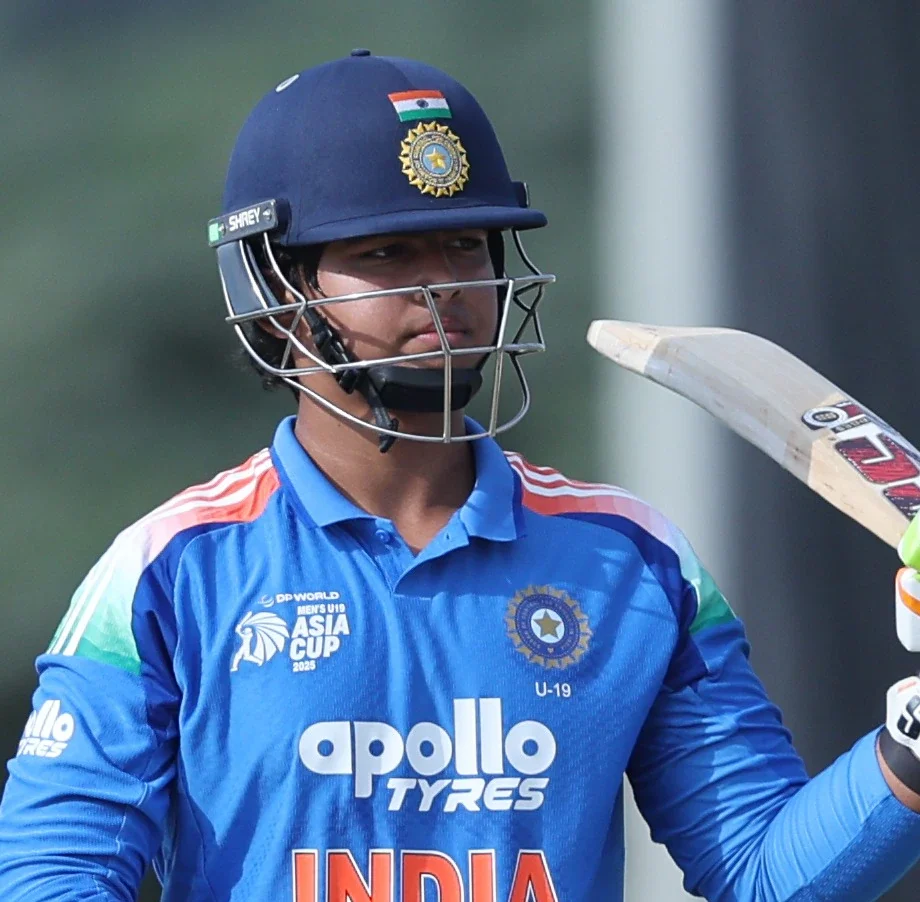
Vaibhav Suryavanshi finally got his opportunity in the second T20I between India and New Zealand, but the decision to change his batting position has raised questions over the team management’s strategy.
Former India spinner Ravichandran Ashwin believes the unfamiliar batting position may have prevented the young batter from playing his natural game. Ashwin also suggested that if Vaibhav Suryavanshi, Sanju Samson and the other key batter are all included in the playing XI, Samson should take responsibility for batting at No. 3.
The second T20I, played in Christchurch, saw Suryavanshi replace Ishan Kishan at the No. 3 position. However, the youngster could not make the most of the opportunity, scoring just four runs off eight balls before being dismissed.
Suryavanshi is known for his aggressive approach at the top of the order, but being pushed down to No. 3 presented a different challenge for the teenager. Ashwin feels that moving a young player away from his familiar role can affect his ability to express himself freely.
The former spinner’s comments have added to the debate surrounding India’s batting combination and the best position for Suryavanshi. With several attacking options available in the squad, the team management faces a balancing act between maintaining flexibility and ensuring players bat in roles where they are most comfortable.
For Suryavanshi, the focus will now be on adapting quickly and making the most of his opportunities as India look to settle on their ideal batting order in the T20I series.